Local Produce: Northern Colorado vs. Southern Arizona
Discovering the Flavors of the Rockies and the Desert
One of my favorite things about cooking is the challenge of working with what’s available. Living part of the year in northern Colorado and the other part in southern Arizona has taught me that the landscape changes more than the scenery; the farmers’ markets tell a whole different story too. Every Saturday, as I stroll through the stalls, I get this mix of excitement and curiosity—what will be fresh and in season today?
At first, I didn’t think much about how different the produce would be in these two regions. I assumed I’d find the same fruits and veggies, maybe with a slight variation. Boy, was I wrong. The produce in northern Colorado couldn’t be more different from what’s available in southern Arizona, and it’s made me rethink how I cook, plan meals, and even appreciate the climate and culture behind the food.
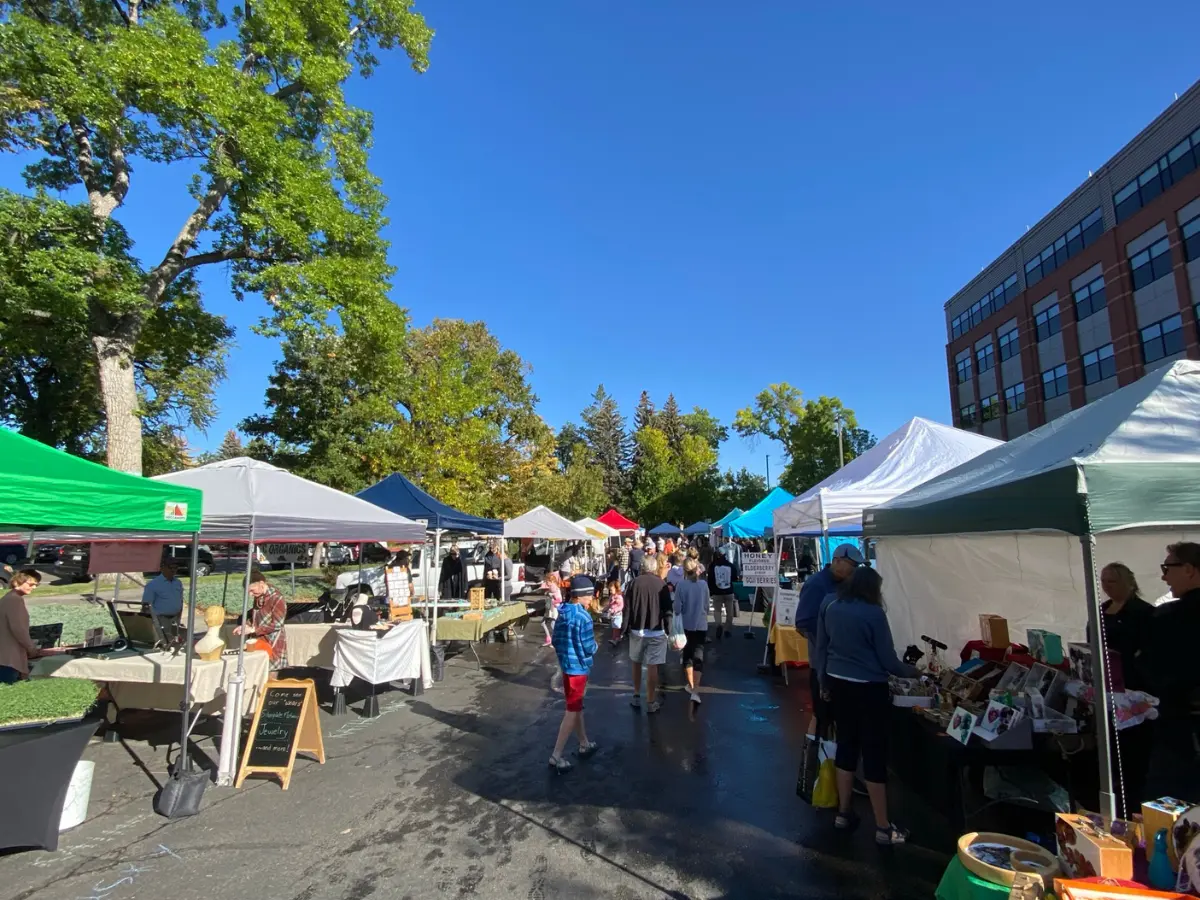
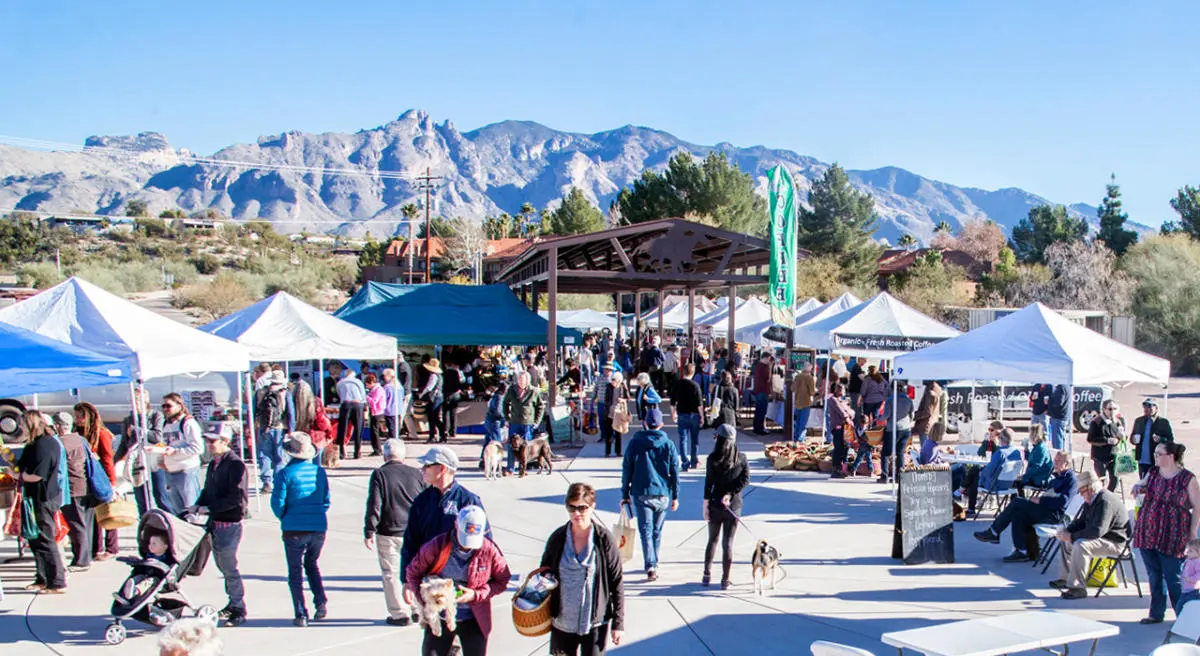
Larimer County Farmers’ Market, Old Town Fort Collins. Up top: Heirloom Farmers Markets at Rillito Park, Tucson.
The Colorado Bounty
Northern Colorado is like the land of plenty when it comes to leafy greens, root vegetables, and berries. In the cooler months, the market stalls are overflowing with kale, chard, and spinach. Root vegetables like carrots, parsnips, and beets are also staples, their earthy flavors perfect for hearty winter dishes.
What surprised me the most, though, was the sheer variety of berries in the summer. Strawberries, raspberries, and even gooseberries make an appearance when the weather warms up. And then there are the Palisade peaches, which live up to every bit of their hype—juicy and sweet, they’re the crown jewel of Colorado’s summer harvest. I’ve eaten them fresh, grilled, and even blended into a peach barbecue sauce that’s become a family favorite.
The range of root vegetables is another highlight. Radishes, for example, aren’t just the small red kind I grew up with; they come in watermelon, black Spanish, and daikon varieties. Each has its own flavor profile, from peppery to mild, which adds a lot of variety to simple dishes like salads and slaws.
Tomatoes, however, aren’t Colorado’s strongest suit. The cooler nights and shorter growing season mean they don’t develop the same depth of flavor as those grown in hotter climates. That said, the variety of squash, from pattypan to butternut, more than makes up for it. Squash is practically a way of life here. I’ve learned to roast it, spiralize it, and even bake it into breads and muffins.
Herbs are another strong point. Fresh dill, parsley, and basil are abundant, and I’ve gotten into the habit of buying big bundles to make fresh pestos and herb oils. The freshness is unbeatable, and it’s always a thrill to experiment with new combinations.
If you’re ever in the area, check out the Fort Collins Farmers’ Market. It’s a fantastic spot to see all this produce in one place, and the community vibe is unbeatable. You’ll also find vendors selling fresh bread, cheeses, and locally raised meats, making it a one-stop shop for weekend cooking projects.
Arizona’s Desert Gems
Southern Arizona offers a completely different spread, and honestly, I didn’t know what to expect when I first started shopping there. The first thing that stood out to me was the abundance of chilies. Whether it’s poblanos, jalapeños, or Hatch chilies from nearby New Mexico, they’re everywhere. Roasted chilies are a staple, and the smell of them roasting at the markets is intoxicating.
Citrus is another highlight. I’ve never seen so many varieties of oranges, grapefruits, and lemons in one place. Blood oranges were a revelation—their vibrant color and sweet-tart flavor are unlike anything else. They’re perfect for squeezing over fish or adding to a salad. I’ve also discovered pomelos, a larger citrus fruit with a mild sweetness that’s perfect for snacking or making marmalade.
What surprised me most, though, was the sheer variety of squashes and melons that thrive in the desert heat. From chayote to the more familiar zucchini and cantaloupe, the desert climate produces fruits and vegetables that are incredibly flavorful thanks to the intense sun. The watermelons here are particularly noteworthy; they’re sweeter and juicier than any I’ve tasted elsewhere.
The tomatoes in Arizona are on another level. The heat helps them develop a rich, sweet flavor that’s perfect for everything from fresh salsas to simple tomato salads. It’s the kind of flavor you’d expect in Italy, not the Southwest. I’ve also started buying heirloom varieties, which come in all shapes, sizes, and colors—each with its own unique taste.
Another unexpected find was nopales, or cactus paddles. They’re a bit of an acquired taste, but once I learned how to prepare them by grilling or sautéing, they became a fun addition to my cooking repertoire. They have a slightly tangy flavor and a texture that’s somewhere between okra and green beans.
For a closer look at what’s available, visit the Tucson Farmers’ Market. It’s a lively spot filled with local vendors and an incredible selection of fresh produce. Plus, you’ll often find food trucks serving up dishes that highlight the best of what’s in season.
Comparing the Two
The biggest difference between the two regions is the growing season. Colorado has this short, intense period where everything’s in season all at once. It feels like a race to preserve, pickle, or eat your way through it all before the first frost hits. In contrast, southern Arizona’s produce is a marathon. Thanks to the warm climate, there’s fresh produce year-round, but it changes depending on the season—cooler months bring root veggies, and the summer months are dominated by hearty crops that can take the heat.
Another contrast is the vibe at the markets. In Colorado, the farmers’ markets feel rustic and quaint. You might see a lot of mason jars, hand-knitted scarves, and folks sipping locally brewed kombucha. In Arizona, it’s all about the spice of life—literally. The markets are colorful, lively, and filled with the aroma of roasted chilies and tamales being steamed on-site.
One thing I didn’t expect was how each region’s produce shapes its local cuisine. Colorado’s cooler climate lends itself to comfort foods—soups, stews, and casseroles packed with root vegetables and winter greens. Arizona, on the other hand, is all about bright, bold flavors. The chilies, citrus, and tomatoes make for dishes that are fresh and vibrant, even in the middle of summer.
Even the herbs differ. While Colorado markets are full of dill and parsley, Arizona leans heavily on cilantro and epazote, both of which pair beautifully with the region’s Mexican and Southwestern flavors. I’ve learned to adapt my cooking style based on what’s available, and it’s made me a more creative and resourceful cook.
Cooking with What You’ve Got
One thing I’ve learned is that cooking with local produce isn’t just about taste; it’s about storytelling. Each region has its own flavor palette, shaped by the climate and the culture. It’s like being handed a paint set with totally different colors depending on where you are.
Zucchini, for instance, takes on different roles depending on where I am. In Colorado, it often ends up in hearty casseroles or stuffed with grains. In Arizona, it transforms into calabacitas—a mix of squash, corn, and chilies that captures the essence of the Southwest.
I’ve also started experimenting with hybrid recipes. For example, I’ve made a roasted beet and orange salad that combines the best of both worlds: earthy root vegetables from Colorado and vibrant citrus from Arizona. It’s become a go-to dish for dinner parties because it’s simple, colorful, and absolutely delicious.
Final Thoughts
Whether I’m in Colorado or Arizona, one thing’s for sure: farmers’ markets are the best way to connect with what’s in season and what makes each place unique. Sure, you can buy a peach or a tomato at any grocery store, but it’s never going to have the same punch as something grown a few miles away by someone who’s passionate about their craft.
So, wherever you are, take a stroll through your local market. You never know what you’ll find or what new recipe it’ll inspire. And if you’re ever bouncing between the Rockies and the desert like me, enjoy the ride. Your taste buds will thank you.
For more on seasonal produce and recipes, check out Seasonal Food Guide or Local Harvest.