AI SEO: How Search Is Changing (and How to Win in 2026)

SEO is no longer just about keywords, backlinks, and technical checklists.
AI has fundamentally changed how search engines understand content, how users search for information, and how brands should approach visibility online. If you’re still “doing SEO” the same way you were even two years ago, you’re already behind.
This post breaks down what AI SEO actually means, how search is evolving right now, and what you should be doing if you want to win in an AI-driven search landscape.
TL;DR
- SEO is shifting from keywords to topical authority and trust
- AI search prioritizes clear, direct answers to real questions
- Thin, generic, or rewritten content no longer performs
- Search intent matters more than exact-match keywords
- Structured, easy-to-scan content helps AI understand your pages
- Original insights and real experience outperform AI-generated fluff
- Winning SEO in 2026 means being the best source, not the loudest
What Is AI SEO?
AI SEO is the practice of optimizing content and websites for search engines that rely heavily on machine learning and artificial intelligence to rank, summarize, and surface information.
This includes:
- Google’s AI-driven ranking systems (RankBrain, BERT, MUM, etc.)
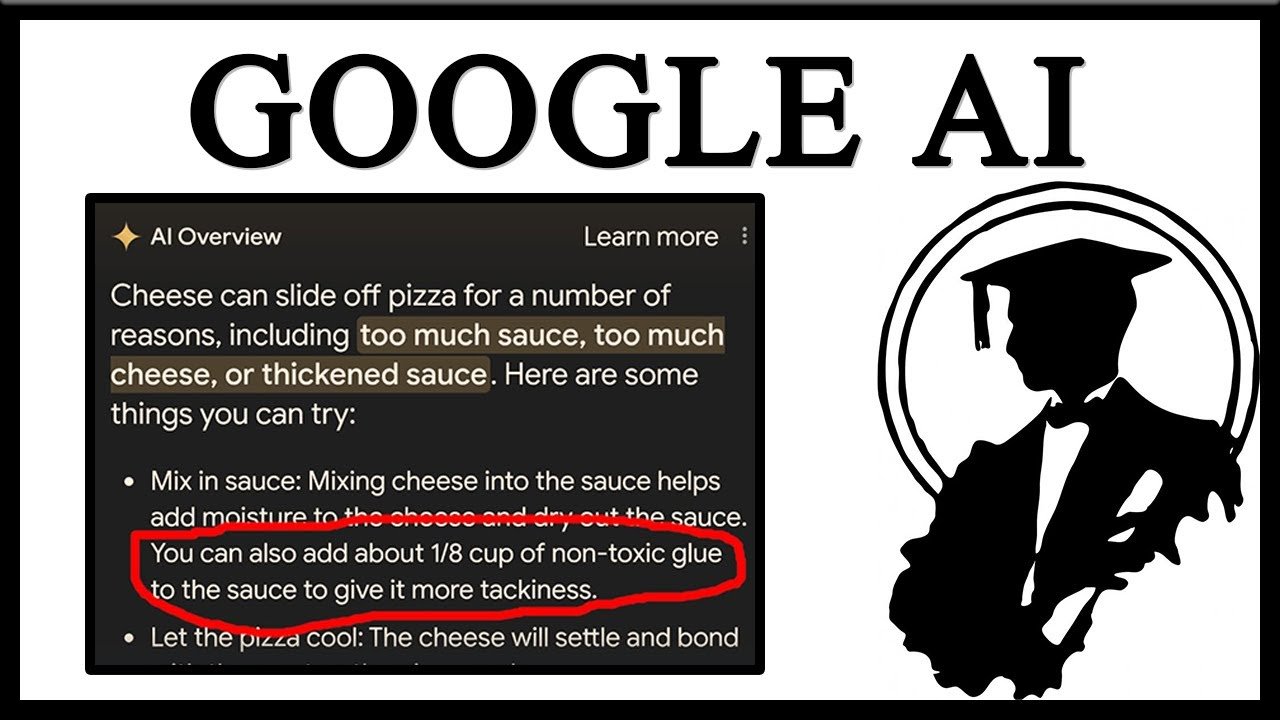
- AI-powered search results (AI Overviews / generative answers)
- Voice search and conversational queries
- Large language models (LLMs) that pull from the open web to answer questions
Traditional SEO asked:
“How do I rank #1 for this keyword?”
AI SEO asks:
“How do I become the best source of truth for this topic?”
That shift changes everything.
Why Traditional SEO Is Breaking
Classic SEO tactics still matter—but on their own, they’re no longer enough.
Here’s what’s losing effectiveness:
- Keyword stuffing or over-optimization
- Thin blog posts written just to rank
- Generic content rewritten from competitors
- Chasing exact-match keywords instead of intent
Why? Because AI understands meaning, context, and authority, not just strings of text.
Search engines can now:
- Understand synonyms and concepts
- Evaluate topical depth
- Detect low-effort or regurgitated content
- Prioritize content that actually answers questions well
If your content doesn’t add value, AI will ignore it.
How AI Has Changed Search Behavior
AI hasn’t just changed Google—it’s changed users.
People now search:
- Longer, more conversational queries
- Full questions instead of keywords
- Follow-up questions within the same session
- Across platforms (Google, ChatGPT, Perplexity, voice assistants)
Examples:
- Old search: “best crm software”
- New search: “what’s the best CRM for a 10-person medical sales team that needs HIPAA compliance?”
AI SEO is about matching real human questions, not just high-volume keywords.
The Core Pillars of AI SEO
1. Topical Authority > Keyword Targeting
AI favors sites that cover a topic deeply and comprehensively, not just one-off posts.
Instead of:
- 20 unrelated blog posts chasing random keywords
Focus on:
- Topic clusters
- Pillar pages
- Supporting content that answers every major question in your niche
If your site clearly demonstrates expertise in a subject, AI systems are far more likely to trust and surface your content.
2. Search Intent Is Everything
AI is extremely good at understanding why someone is searching.
Your content must clearly align with:
- Informational intent (learning)
- Commercial intent (comparison)
- Transactional intent (buying)
- Navigational intent (finding a brand)
Trying to rank a sales page for an informational query (or vice versa) will fail, no matter how “optimized” it is.
3. Clarity Beats Cleverness
AI rewards content that is:
- Clear
- Structured
- Easy to parse
- Directly answers questions
That means:
- Clear headings
- Short paragraphs
- Bullet points where helpful
- Direct answers early in the content
This isn’t about “dumbing down” content, it’s about removing friction for both users and AI.
4. Original Insight Matters More Than Ever
AI-generated content is everywhere now. That means generic content is invisible.
What stands out:
- First-hand experience
- Real examples
- Opinions backed by data
- Industry-specific insights
- Unique frameworks or mental models
If your content could be written by anyone with ChatGPT and zero experience, it’s not competitive.
How to Optimize Content for AI Search Results
If you want your content to show up in AI summaries, featured snippets, and generative answers, focus on:
- Answering questions directly and concisely
- Using natural language (how people actually talk)
- Including definitions, explanations, and examples
- Structuring content so individual sections stand alone
- Demonstrating credibility (experience, expertise, trust)
Think of each page as a reference document, not a blog post written to hit a word count.
The Future of SEO Is Not Dead—It’s Evolving
SEO isn’t dying. It’s maturing.
The future belongs to:
- Brands with real expertise
- Creators who understand their audience deeply
- Sites that provide actual value
- Marketers who blend SEO, content, UX, and strategy
AI is raising the bar, not replacing SEO.
Additional Resources
- Google Search Central – How AI Understands Content
- Search Engine Journal – Optimizing for AI Search & Generative Results